
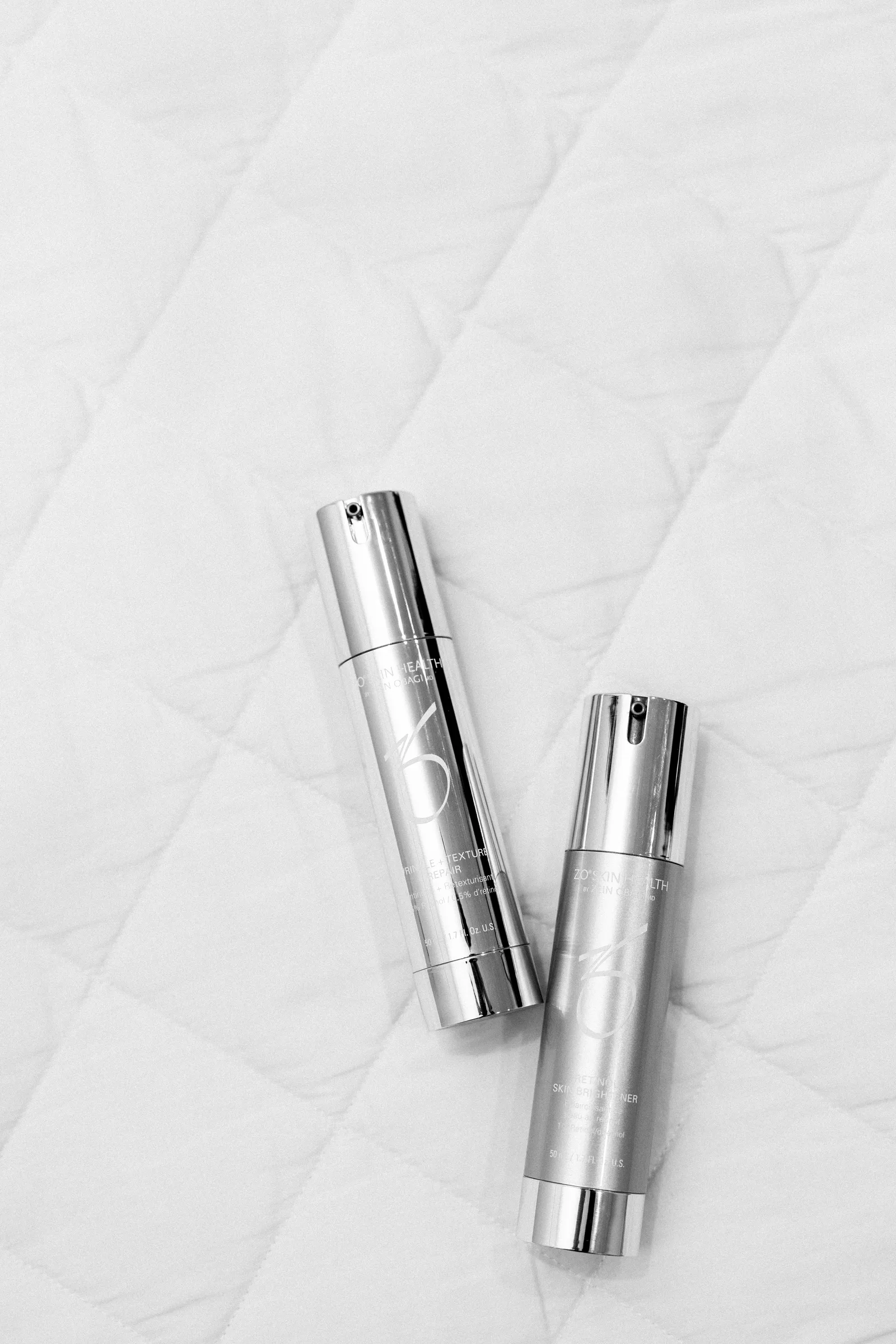
The NECTAR Edit · Retinol Series
Retinol:
The Most Misunderstood Product in Skincare
By Jessica Farhat, MSN, NP-C · Founder, NECTAR body•face•skin · DeWitt, Michigan
Retinol may be one of the most talked-about ingredients in skincare and still one of the most misunderstood.
Some people use too much, too quickly, believing that overusing the retinol will give them quicker results. This leads them to greater anticipated reactions, such as burning, peeling, and irritation. Others avoid retinol altogether because of a bad experience, a story from a friend, or something they saw on TikTok.
The problem is not always retinol. Often, no one explained how to choose the right formula, how to introduce it properly, or what to expect along the way.
Before we recommend retinol at NECTAR, we want our guests to understand it. So let's simplify what retinol actually is, what it can do for your skin, and why so many people believe they "tried retinol and it didn't work."
What Retinol Actually Is
First, retinol is not just one ingredient or one strength.
Retinoid is the umbrella term for vitamin A derivatives used in skincare. Within that family, there are several forms, and they differ significantly in strength, speed, penetration depth, formulation, and tolerability.
Retinol is the most common over-the-counter form. Before your skin can use it, retinol must convert first into retinaldehyde and then into retinoic acid. Because it requires two conversion steps, it generally works more gradually and can be easier for beginners to tolerate.
Retinaldehyde, often called retinal, is one step closer to the active form. It requires only one conversion, so it may work more quickly than retinol while still being well tolerated in the right formulation.
Tretinoin, commonly known by the brand name Retin-A, is prescription strength and already biologically active. It does not require conversion, which makes it more powerful, but it may also come with more of an adjustment period.
Bakuchiol is a plant-derived ingredient that may provide some retinol-like benefits without being a retinoid. It can be an option for someone who cannot tolerate traditional retinoids, although the research behind it is not nearly as extensive as the decades of evidence supporting vitamin A.
This is why the percentage printed on a label does not tell the entire story. A higher percentage is not automatically a better product. Stability, delivery system, supporting ingredients, and how the formula interacts with your skin all matter.
Potency on paper and performance on your skin are not always the same thing.
Six Common Retinol Myths
Myth 1: "Retinol thins your skin."
This is one of the biggest misconceptions about retinol. I hear this time and time again during initial consultations with my guests.
During the early adjustment period, retinol can temporarily cause dryness and flaking at the surface of the skin. That can make the skin feel thinner or more fragile.
But beneath the surface, retinoids help support cellular turnover and collagen production. With consistent use, they can improve the thickness, strength, texture, and overall quality of the skin.
Retinol is not thinning healthy skin. It is helping remodel it.
Myth 2: "You can't use retinol during the summer."
Retinol can absolutely be used during the summer, but how you use it matters.
Skin that is adjusting to retinol may be more reactive and more vulnerable to irritation from sun exposure. That does not mean you need to stop every summer. It means you need to pay attention to your skin, use retinol at night, and wear a broad-spectrum sunscreen every single morning.
If you know you will be spending extended time in the sun or have an upcoming beach vacation, we may adjust your routine. But for most guests, retinol can be used safely year-round with the right guidance and consistent SPF.
Myth 3: "If it doesn't burn, it isn't working."
No. Burning is not the goal.
Anticipated reactions are real and they include red, dry, peely, flakey, stingy, burning, and perhaps itching. This can happen while your skin adjusts, typically two to four weeks. However, we assess our guest's lifestyle, social calendar, timeline, and eagerness to get through these anticipated reactions. We can adjust the schedule to minimize these.
Anticipated reactions are a sign that the strength, frequency, or supporting routine may need to be adjusted.
Effective skincare should challenge the skin appropriately. This is why having a professional who knows your skin and having communication with them is important when adjusting your skin health plan.
Myth 4: "A higher percentage is always better."
The best strength is the one your skin is challenged by but can tolerate consistently.
A lower-strength retinol used regularly over six months will usually deliver better results than a stronger formula you abandon after three weeks because your skin cannot tolerate it.
There is no prize for using the strongest retinol. The goal is healthier, more resilient skin, not unnecessary long-term irritation.
Consistency will beat concentration almost every time.
Myth 5: "Retinol works quickly."
Retinol is not a quick fix. It is a long-term investment in the health and quality of your skin.
Some guests begin noticing smoother texture and more radiance within eight to twelve weeks. Improvements in fine lines, pigmentation, firmness, and collagen remodeling take longer, often six months or more.
Retinol works, but it requires patience. The best results come from using the right formula consistently and allowing the skin time to change.
Myth 6: "Everyone should be using retinol."
Retinol can be incredibly beneficial, but that does not mean it is appropriate for every person at every moment.
We may recommend waiting if you are pregnant or breastfeeding, recovering from a laser treatment or microneedling, experiencing an active rosacea flare, or working to repair an irritated or compromised skin barrier.
Sometimes the right recommendation is retinol. Sometimes the right recommendation is not yet.
"The best retinol is not the strongest one. It is the one your skin can tolerate consistently enough to experience what it is truly capable of."
— Jessica Farhat, MSN, NP-C
Why the Formula Matters
Retinol is naturally unstable and can degrade when exposed to light, air, and heat. That means packaging and formulation are not minor details, they directly affect how well a product performs.
A properly formulated retinol should protect the active ingredient and deliver it to the skin in a controlled, effective way. Technologies such as encapsulation can help improve stability, control the release of the retinol, and minimize unnecessary surface irritation.
This is also why two products labeled with the same percentage may perform very differently.
When a guest tells us, "I tried retinol and it did nothing," it does not necessarily mean their skin is incapable of responding to retinol. The formula may not have been stable. It may not have been the right strength. They may have been using it incorrectly, or the rest of their routine may not have supported it.
Choosing retinol should never be based on the percentage alone.
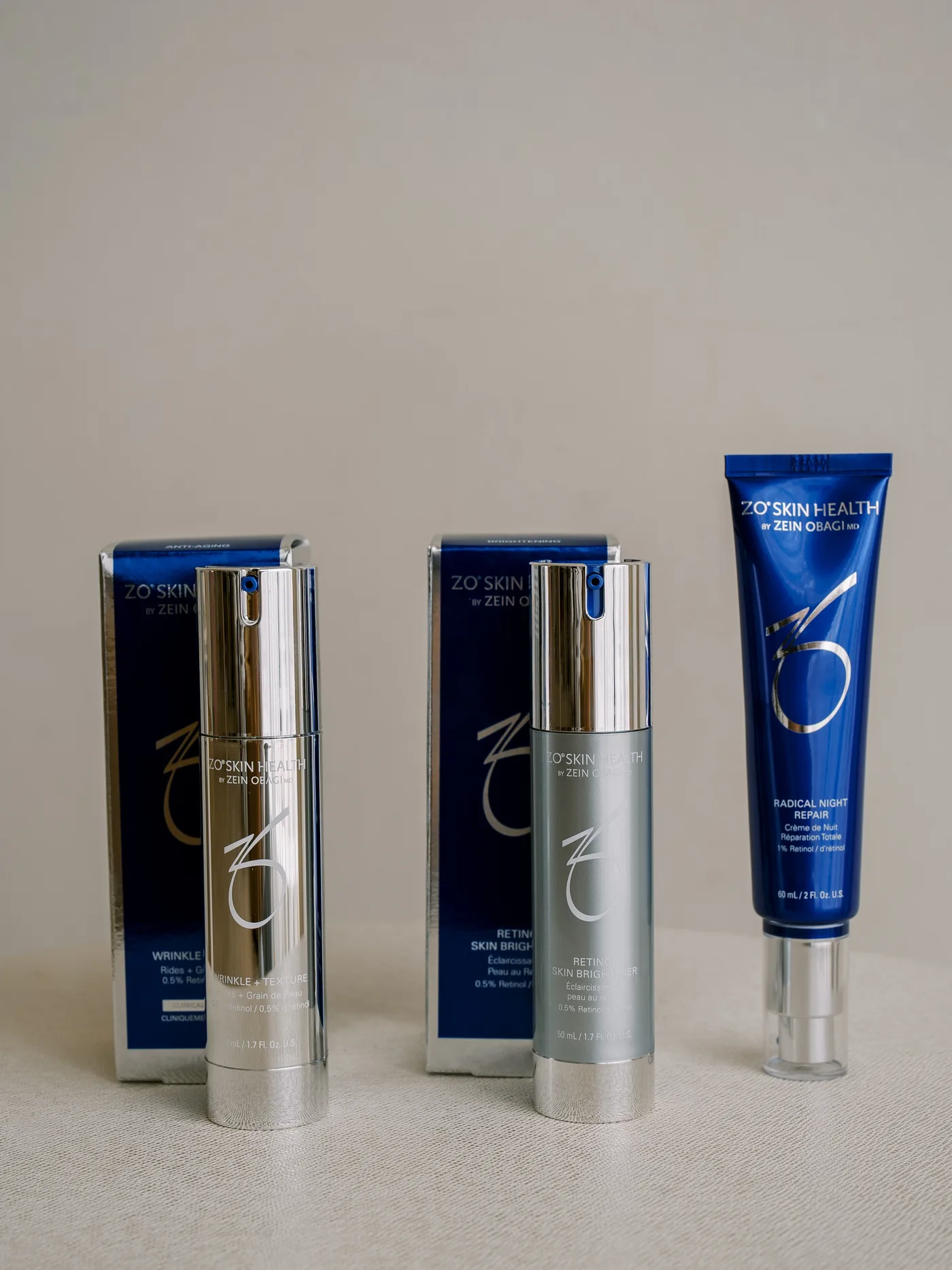
How We Introduce Retinol at NECTAR
We do not hand someone a bottle of retinol and wish them luck. We help create a routine their skin can realistically tolerate and maintain.
We assess the skin first. We look at the health of your skin barrier, your current products, your social calendar, your lifestyle, your sun exposure, and any treatments you may be receiving. Retinol needs to work with the rest of your routine, not compete with it.
We start intentionally. For many guests, that means using a wean-on protocol. The exact schedule depends on the formula and how your skin responds.
We protect the skin barrier. Retinol is only one part of the routine. Your cleanser, functional hydrator, exfoliants, and other active ingredients all affect how well your skin tolerates it.
We may change the order in which your retinol is applied in relation to the rest of your skincare routine. Sometimes we even change the time of day we use it in your routine.
And sometimes, we say not yet. If your skin barrier is compromised, you are recovering from a treatment, or your skin is already inflamed and reactive, we may focus on strengthening and calming the skin first.
The goal is not simply to get you on retinol. The goal is to help you use it successfully.
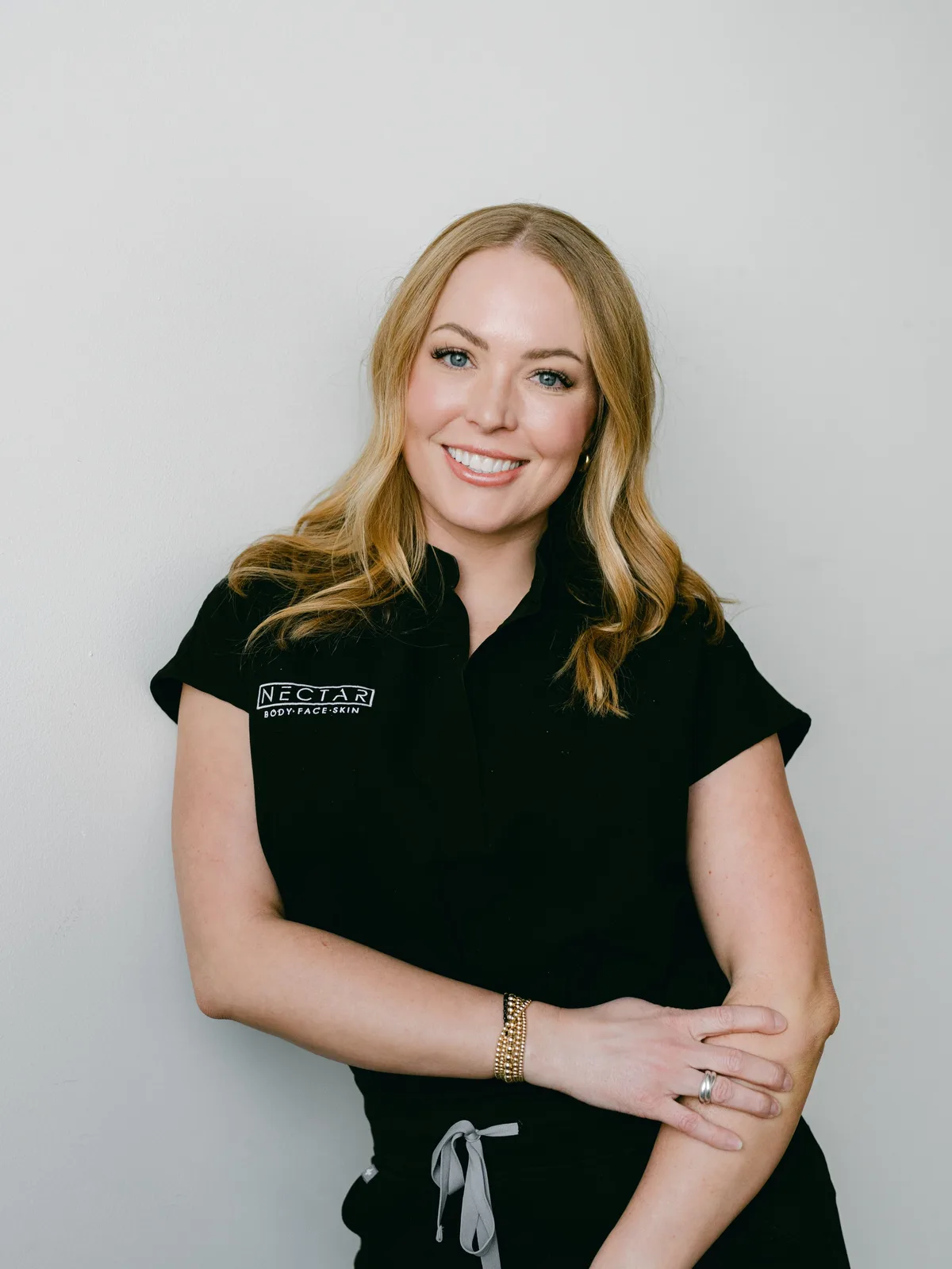
Jessica Farhat, MSN, NP-C · Founder, NECTAR body•face•skin
"Retinol works. It just doesn't work the way most people are told it does. Give it the runway it needs, and it will change your skin."
NECTAR body•face•skin is a boutique medical spa located in DeWitt, Michigan, proudly serving guests throughout Lansing, East Lansing, Okemos, and the greater Mid-Michigan area.
Not sure whether your skin is ready for retinol, or which formula is right for you? Schedule a complimentary skin consultation, and let's find the right starting point together. No pressure. No more guessing. We want to devise a plan specifically tailored to your skin health and goals.
NECTAR body•face•skin
The right retinol, at the right time, for your skin.
Book a complimentary skin consultation. We'll build the plan around what your skin actually needs, no pressure, no guesswork.
Book Your Visit★★★★★ 5.0 · 173 reviews on Google